Wine and film, a promising union
There are more films about wine than about beer. That minute of fame brings wineries closer to potential customers.

A few days ago, chatting about the world of wine, we noticed that, despite how often beer comes up when it comes to consumption, there are many more films that present wine as their main subject.
Since we wanted to check it quickly we consulted Google, the giant that knows everything, and confirmed our theory. While the search for films about wine gave us 47 results, the one for beer gave us only 21 options. Of course the lists may have a few more titles or a few less, but the difference was notable and it made us wonder: is it profitable for wines, wineries and winegrowing regions to appear in film?
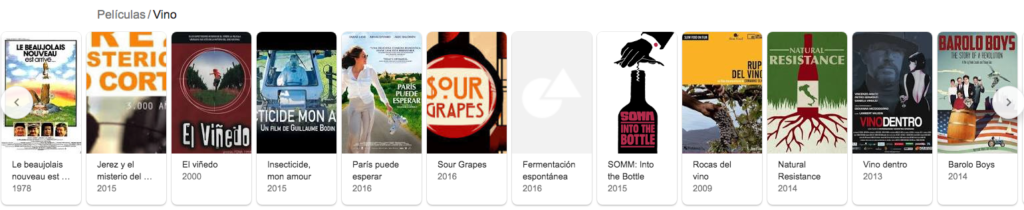
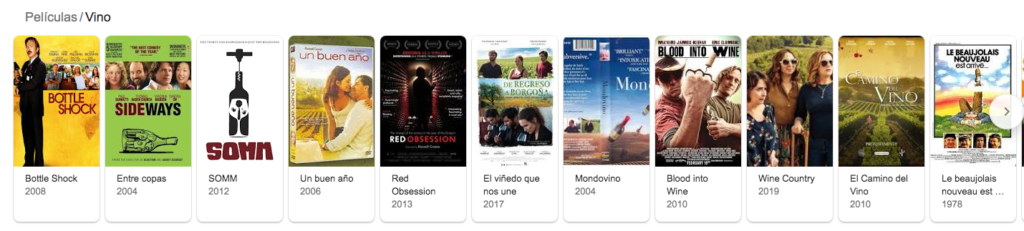
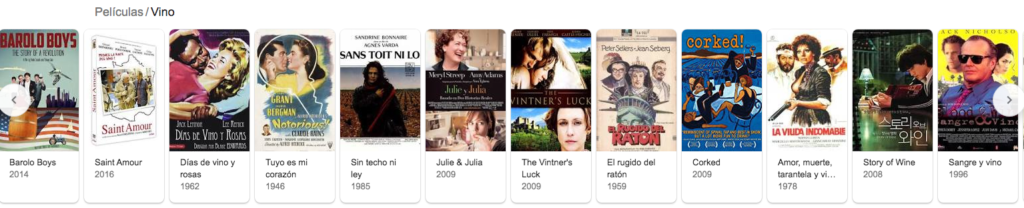
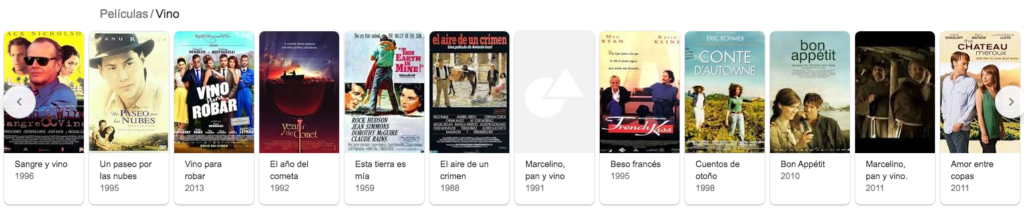
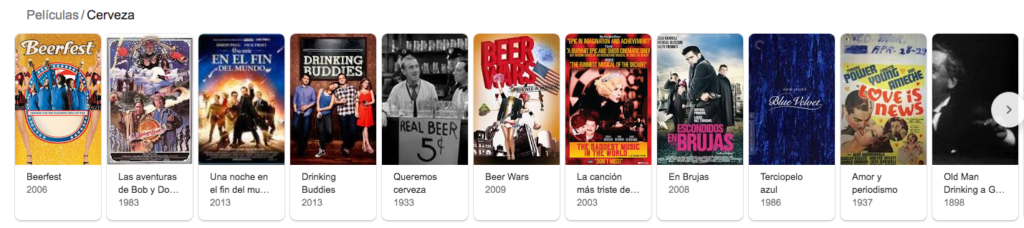

The examples below show that it is: appearing on the big screen and getting that dreamed-of minute of fame allows wines, wineries and winegrowing regions to get closer to potential customers.
Five films in which wine had its moment of fame
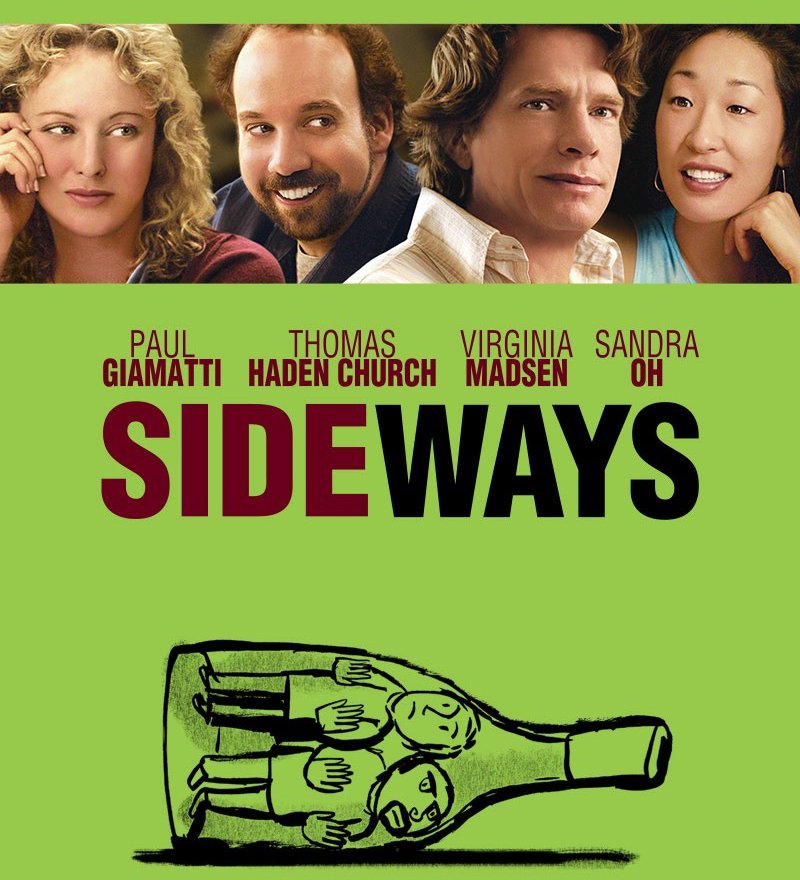
Sideways
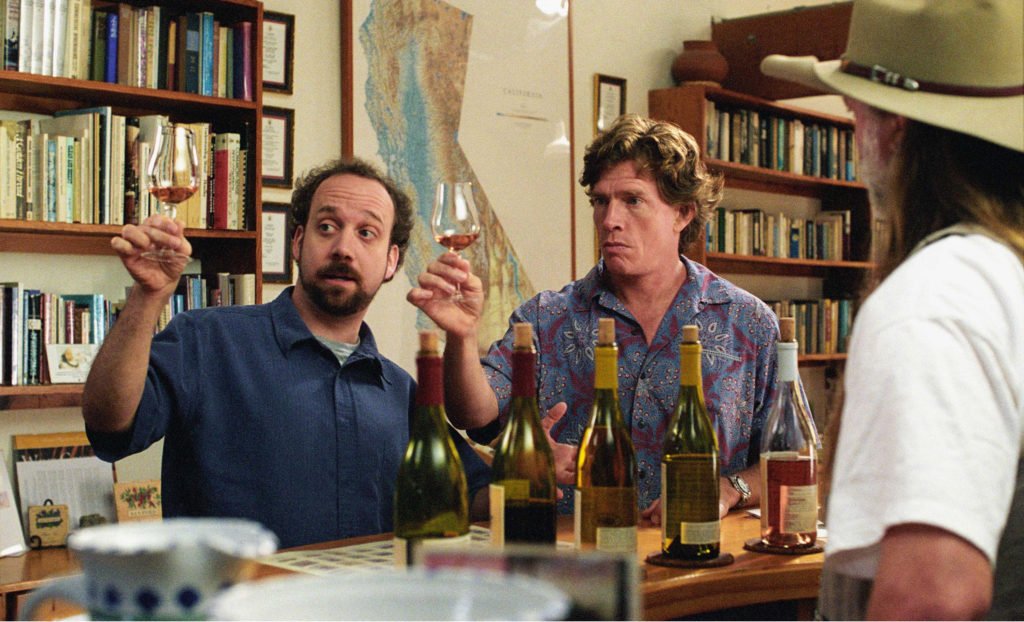
The award-winning film known in Spanish as “Entrecopas” shows the journey taken by two very close friends who go on a road trip from Southern California to the southernmost winegrowing area of the state, Santa Barbara County. The characters are Miles, a depressed divorcé, aspiring writer and wine lover, and his old friend Jack, a failed actor who is about to get married.
The success of this film led to a rollout of tourism offerings in Napa Valley such as “Miles and Jack’s wine tour”; on which you can visit all the wineries and restaurants that appear in the film and —we estimate— financed it.
According to several accounts, a star on this route is the Hitching Post restaurant, where sales of Pinot Noir (adored by Miles) have increased fivefold. Above all since the end of January 2005, when the Hollywood Academy announced its five Oscar nominations.
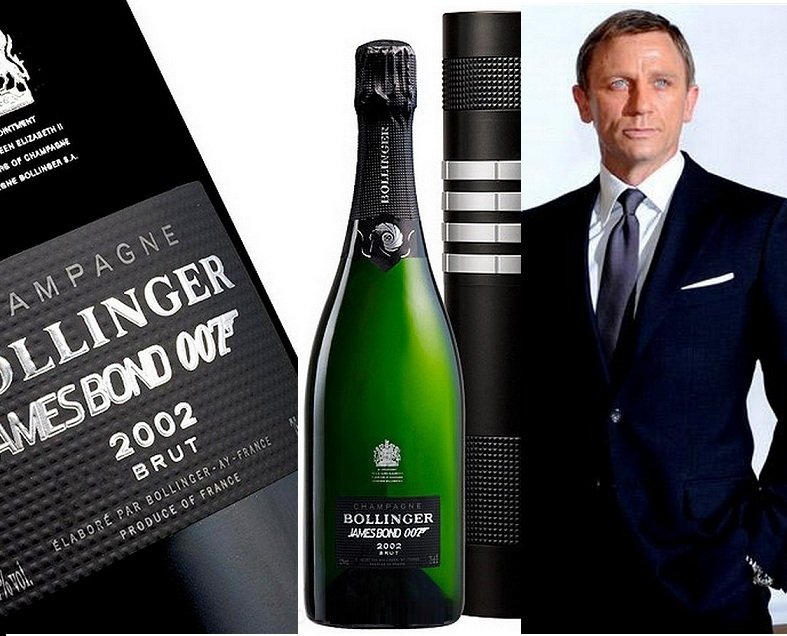
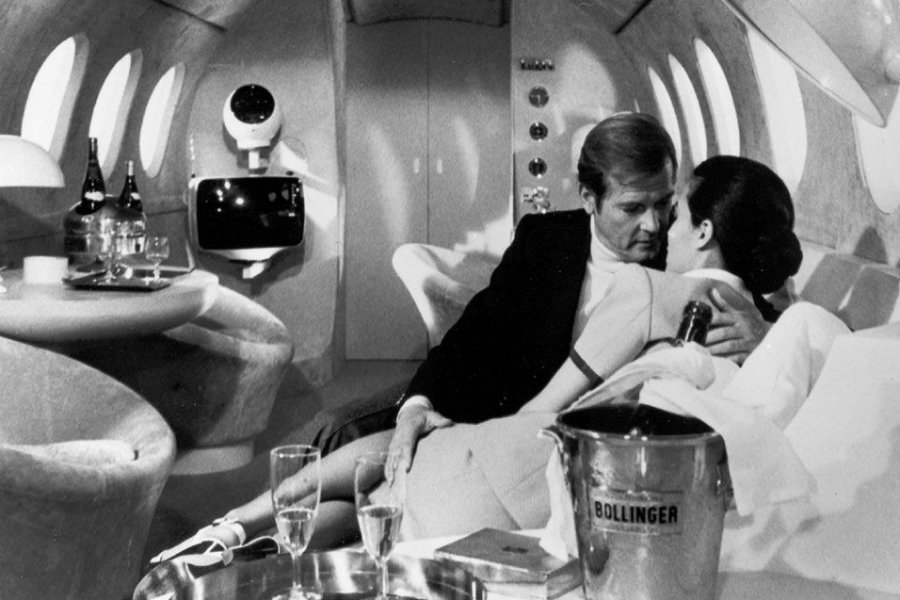
Agent 007
The refined and luxurious James Bond managed, through his successful films of spies and conspiracies, to consolidate the reputation of Champagne Bollinger. Bollinger and Bond is one of the longest-lasting marketing partnerships in the history of the saga. Champagne Bollinger appears in almost every film of the famous agent because from the very first production they looked for a wine that would match Bond’s impeccable taste and refined personality.
The Parent Trap
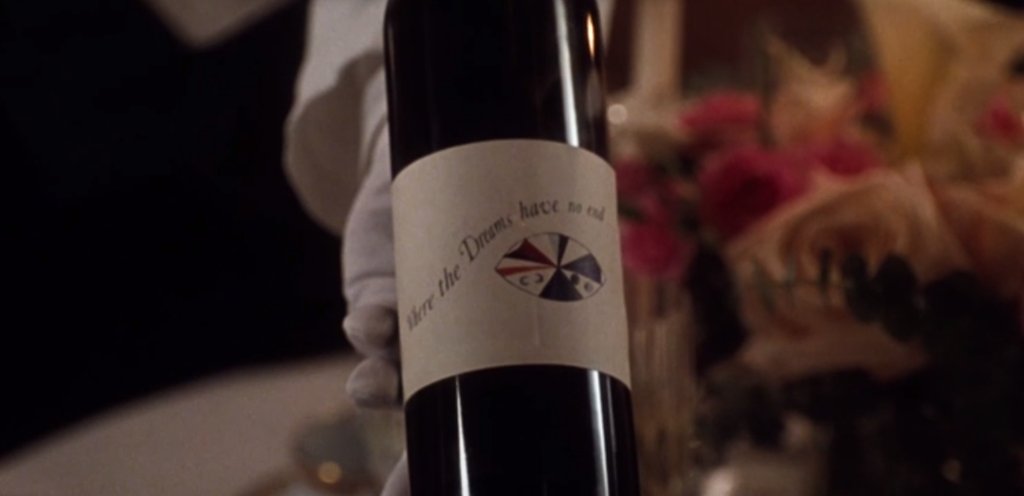
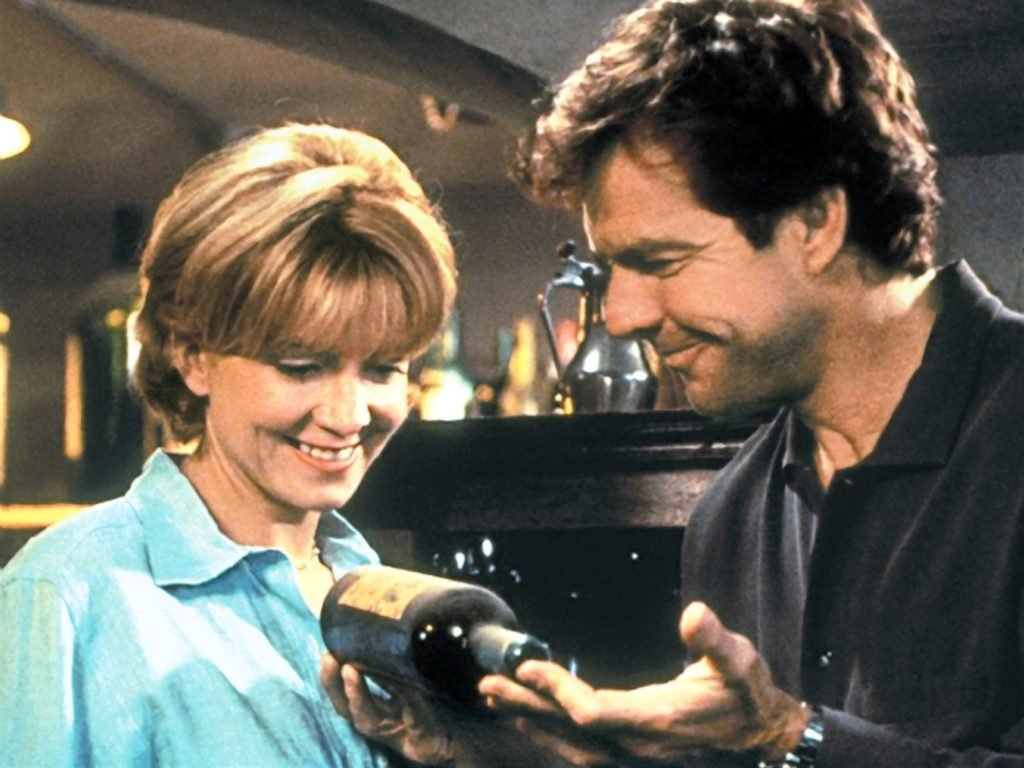
In this 1999 Disney film Hallie and Annie, 11-year-old girls, discover that they are sisters and swap places to bring their parents back together. The wine Where dreams have no end appeared in the film with a bottle of Chardonnay at the celebration of the twins’ parents’ first wedding. This wine and the Californian winery landscapes stayed in the memory of many generations who saw the film, strengthening the association of California as a successful winegrowing region.
Focus
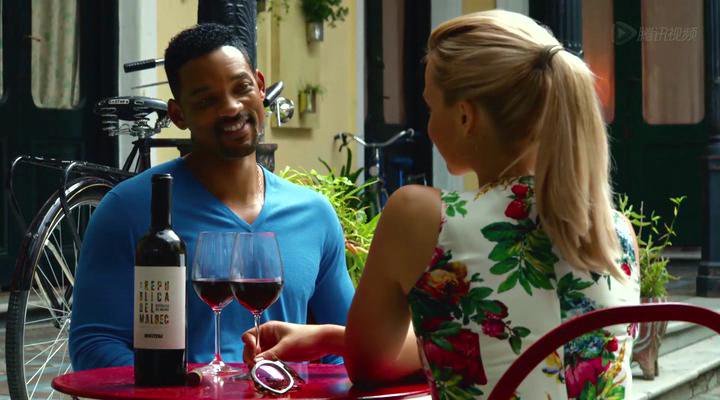
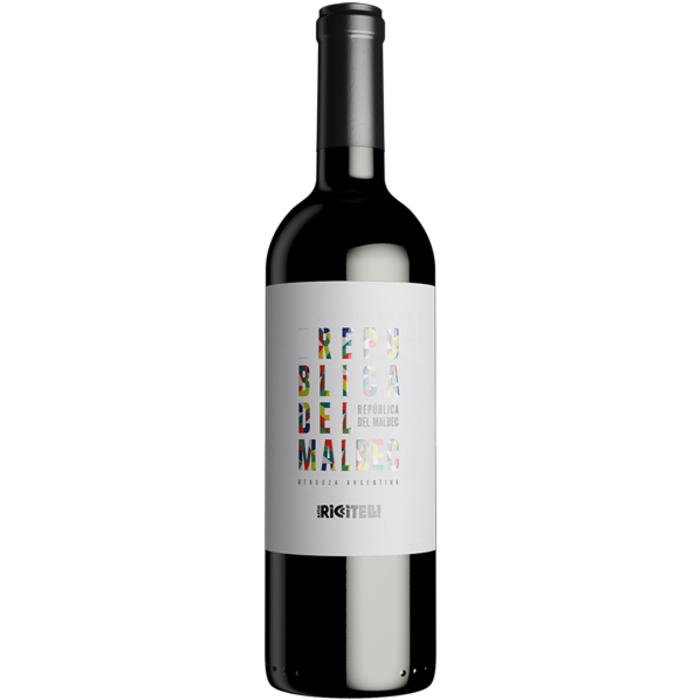
During a scene in Buenos Aires Will Smith and Margot Robbie taste a Malbec from Mendoza. República del Malbec, by the winemaker Matías Riccitelli, has its moment of fame in the acclaimed film. As Riccitelli told local media at the time, it was a surprise for them to reach that kind of level because the publicity the film gave their wine was not something within their financial reach.
According to the winemaker, although they knew the bottle was going to appear in the film they did not expect anything like this. “It has been totally organic, a decision of the production”, Riccitelli declared.
Vino para robar
We chose this film because it is shot in Mendoza and we consider that the good reviews and the landscapes our province was able to offer favored wine tourism. Perhaps at a local level, which does not make it any less important, this film was our Sideway. In it Daniel Hendler and Valeria Bertuccelli take on a planned robbery that lets you get to know places in the city and also the powerful culture around wine that Mendoza can share with those who wish to visit it.


As a conclusion we note a positive union between the stories the world of wine has to share and the format of film, which makes it possible to reach all kinds of consumers, bringing them closer to winegrowing and oenology through other senses.
As far as advertising goes, the pairing between film and wine also looks promising, since as was shown in the examples, film draws the curious into taking part in the world of wine by letting them step into the characters’ shoes.