
The multi-screen user is already a consolidated phenomenon. We are getting more and more used to consuming different kinds of content through the computer, the tablet, the smartphone, and at the rate we are going, devices keep getting smaller. And this is precisely the trend that wearables are gradually driving, all those gadgets you can wear. Today we are going to talk about a new product that is taking hold in the technology market: Smartwatches.
Soon you will stop looking at your wrist just to check the time, because we are entering the era of the Smartwatch. Careful, we are not talking about any new technology here. For those who are not so familiar with the subject, we could say that the first smart watches appeared in the 70s, and over time the big cutting-edge technology brands have developed various models.
But if it is not such an innovative product, why is it so fashionable? The answer is simple: like all the technology that surrounds us daily, it evolves constantly.
What is it and what does it do?
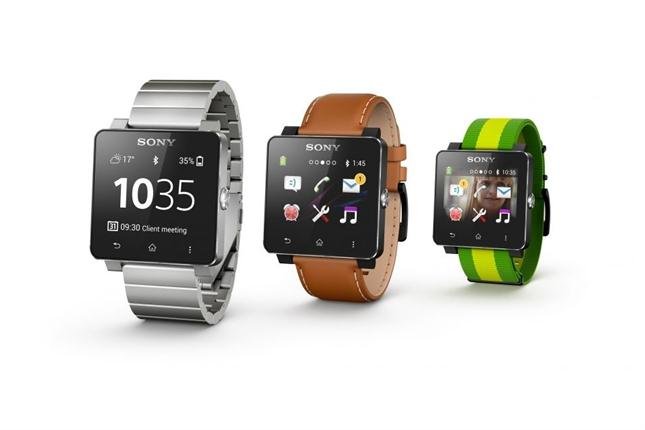
First of all, it is a watch that can connect wirelessly to a mobile (via bluetooth) and acts as a complement to it, giving us notifications, message alerts, calls, multimedia control, etc. It is important to stress that we are not referring to a Smartphone, but to an accessory that complements it and that reports on the changes that occur on it. We could refer to it as a kind of assistant.
As far as operation goes, they have an operating system that lets them connect with the Smartphone. Keep in mind that although several of them are compatible with operating systems such as iOS, Android and Windows Phone 8, not all of them are. Some can be paired with one or a few, although they do not all work the same way and they depend on the brand.
Among the types of smartwatch we can find digital ones or analog-digital ones, which besides acting as a traditional watch have a section where all the changes that occurred on our Smartphone are reported. And on the other hand there are the bands, which do not fall into the smart watch category, but include the possibility of monitoring physical activity thanks to connectivity with the phone.
Some advantages of these new devices are being able to access certain information from our mobile phones without having to check the phone directly. A glance at your wrist is enough to know you have received a call or a message. As is the convenience of controlling the volume or skipping to the next song without going to your phone’s touchscreen. That is to say that one of their great functionalities is, precisely, the unification of functions.
One drawback smartwatches have is that they connect with the Smartphone via bluetooth. Which means that, if we move away, the connection is cut. Another aspect to keep in mind is battery life, since both digital watches and bands run on a battery. Although some models can last two or three days without charging, the reality is that, just like your Smartphone, you will have to charge it daily.
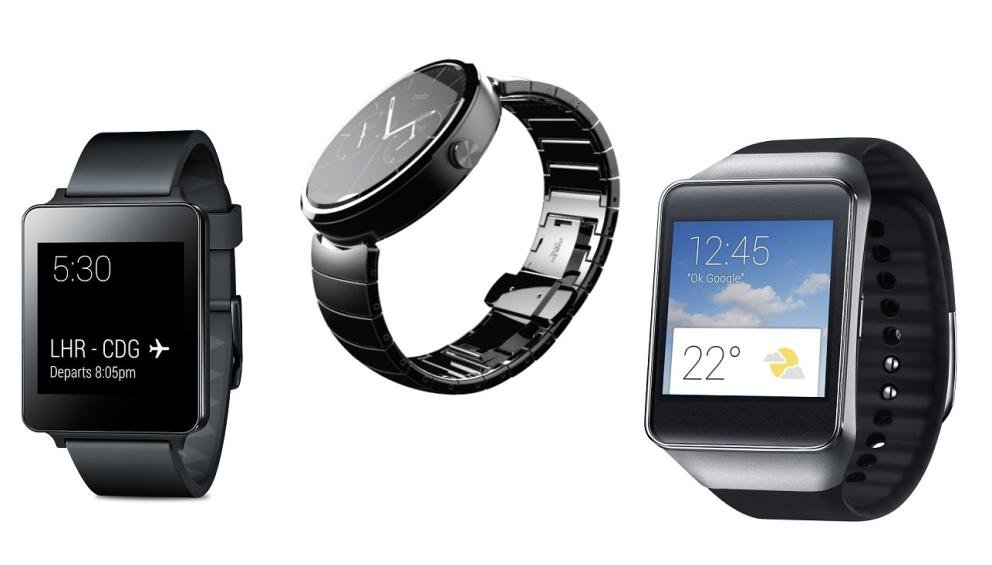
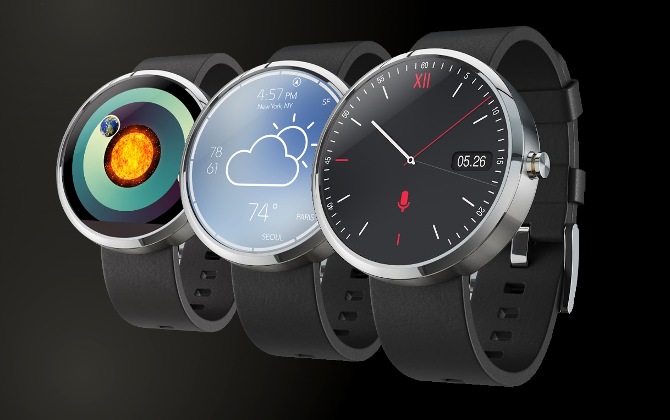
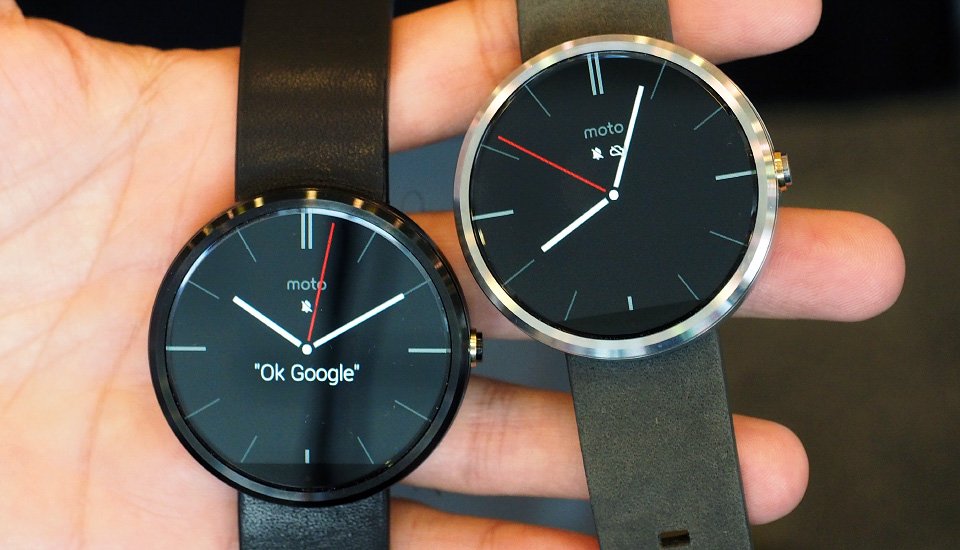
As we mentioned, several brands already have their devices and new models will soon be introduced. One of the most anticipated of this 2014 is the Moto 360 with the Android Wear operating system. Its popularity lies in the fact that it has managed to make an impact aesthetically, since at first glance it looks like a traditional watch and houses a large number of functionalities.
Other devices that also have Android’s operating system are the Samsung Gear Live along with the LG G Watch, which have completely different designs from the Moto 360, since their screens are rectangular.
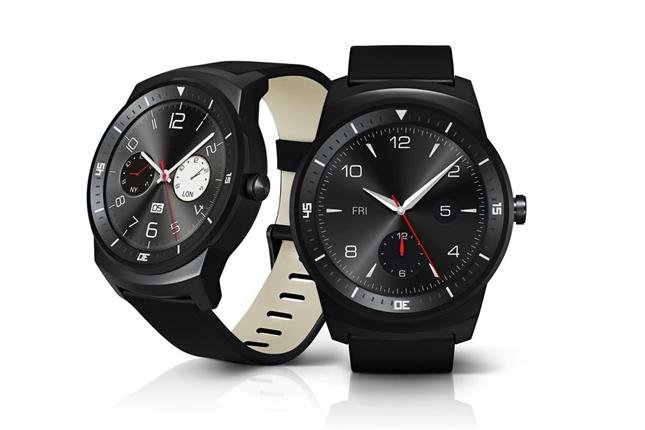
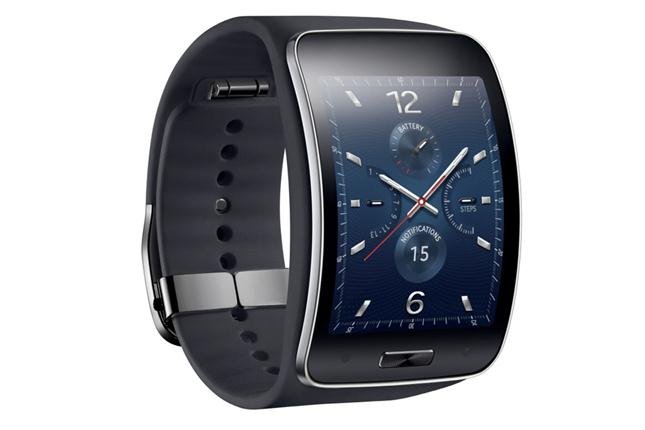
Likewise the South Korean company presented last week the Samsung Gear S, which lets you make and receive calls without needing to have the phone nearby. It also chose to incorporate the Tizen operating system, and a design with a curved screen.
And finally, although there is no official confirmation, it is estimated that Apple will introduce its iWatch in September. It is likely that it will not be a smartwatch, but a fitness tracker. Very possibly it is the one it was rumored to be preparing together with Nike.
The truth is that we do not know what the future holds for us in technological matters. What we are sure of is that advances keep happening in leaps and bounds, and the potential that devices offer us is greater and greater.