Textured discovery
People are looking less and less for a precise term and more and more for a mood.

Getting out of the algorithmic bubble
In the context of experience design, "textured discovery" refers to the way users interact with a product or service, gradually discovering different layers of information, functionality or visual and emotional detail.
People are preferring searches that are more exploratory and less precise
In August 2022, @pink.corduroy was streaming their walk around Roblox on Twitch when they came across another user’s stand advertising “horrible piano”. When that user started playing, @pink.corduroy and their audience were stunned by a performance that was nothing close to horrible. During the stream, the growing excitement at this find showed a need that keeps evolving: a new approach to finding content.
People used to rely on platforms as guides for their searches. Today there is growing dissatisfaction with that, whether from unhappiness with Instagram‘s interface redesigns or frustration with SEO bias in Google results. To navigate a sea of memes, trolls, shops and forums, people rely more and more on data driven by social media users, sometimes complementing search engines, sometimes replacing them entirely. Journeys of discovery that begin in the depths of Reddit, the sensory explosion of TikTok or the far reaches of Roblox, or the speed at which news spreads on X (formerly Twitter). These new platforms in turn influence what audiences set out to search for.
In decisions like which series to watch, or where to go for dinner or a drink, it is less about the purely informative and more about the immersive or the unexpected. Here, guiding audiences online requires adapting to these new ways of discovering: more visual, collaborative, serendipitous and steeped in personality.
WHAT IS DRIVING THIS CHANGE?
There is a cultural disillusionment with “traditional” search engines. In the past, results felt magical or at least intelligent. Today, knowing that algorithms, search optimization and paid ads exist, there is a growing sense that findings are biased and limiting. There is even a concept now of “algorithmic anxiety”, describing the feeling that our personal tastes are being numbed by online recommendations.
In contrast to the loss of shine of official searches, platforms became sources of discovery-friendly content, from honest brand-free reviews on Reddit to the expansive universe of live streams, collaborations, “stitching” on TikTok, Instagram “remixes” and reaction content.
A DIFFERENT BEHAVIOR
Search is about curating information, not collecting it:
In a growing sea of content, discovery has become less about searching for information and more about curating it. And although people have always been drawn to content guided by human experience, they are now reaching it earlier in the journey: TikTok guided tours and subreddits are no longer a refinement point at the end of a search journey, but where discovery begins.
Example: we see more and more accounts providing information curated through personal experience. Reels bringing us the best post-punk records, users showing where the samples of “new” songs came from, or the ten best street food stalls in Buenos Aires.
Users prefer to search by ‘feel’:
Instead of a specific search term, people are relating their searches to a mood, an aesthetic or a feeling. This contributes to the success of platforms like Pinterest, which organizes information around intuitive aesthetic codes, or TikTok, which lets you follow the thread of a “trending sound” (and from there discover artists, genres and records).
Example: A post on Reddit proposes an image to define an emotional state, and the rest of the users respond with music that takes them there.
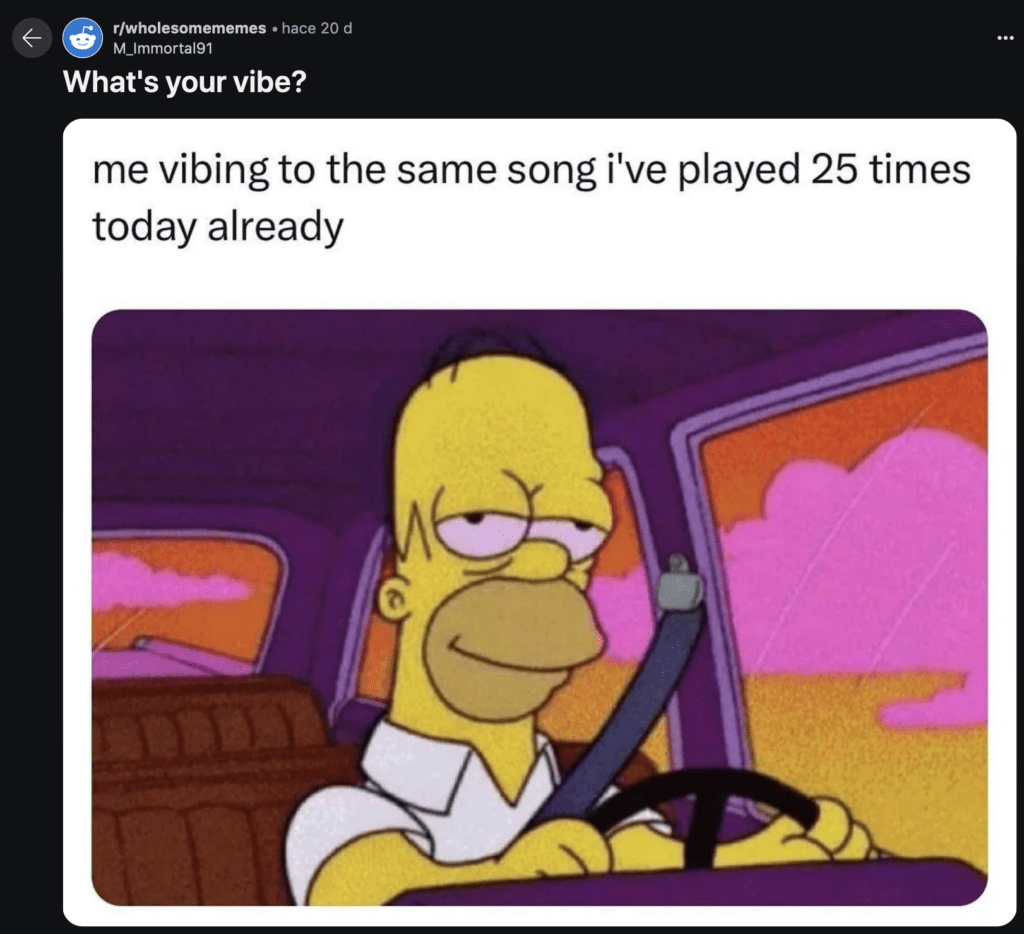
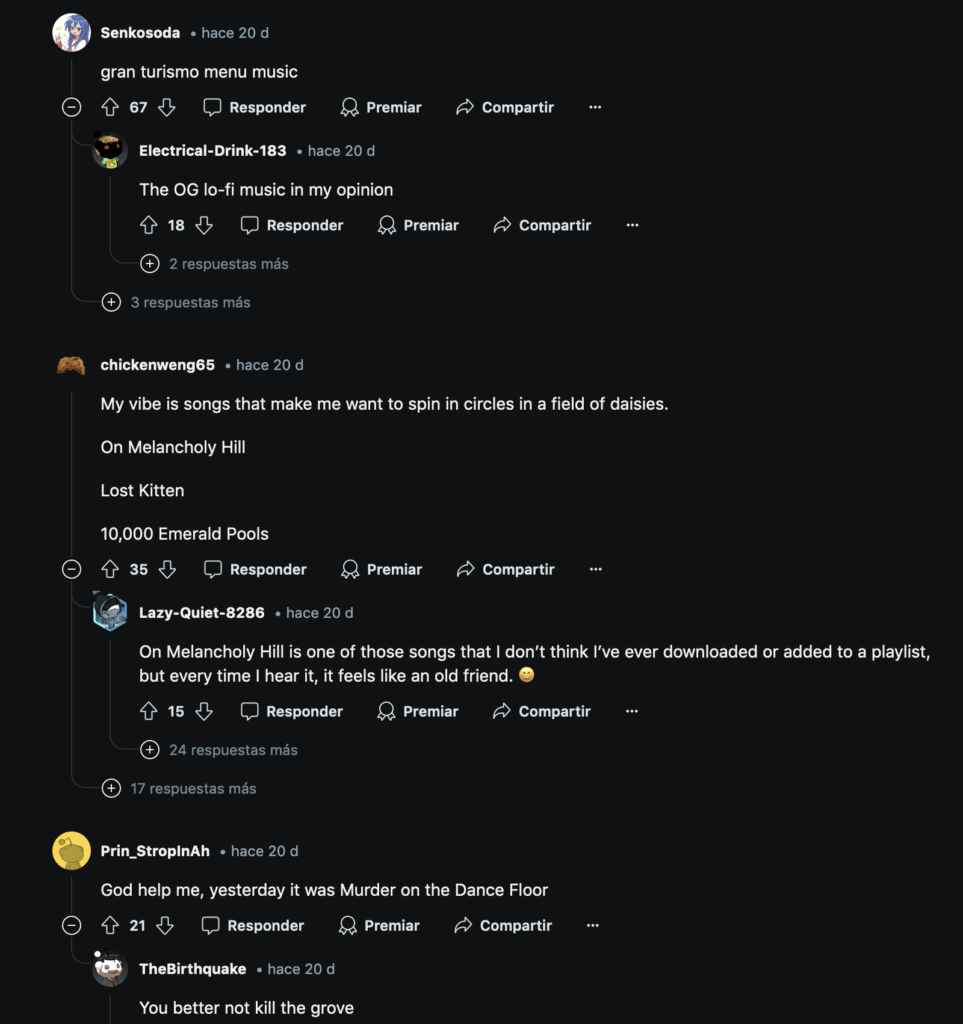
People want the unexpected, not the predictable:
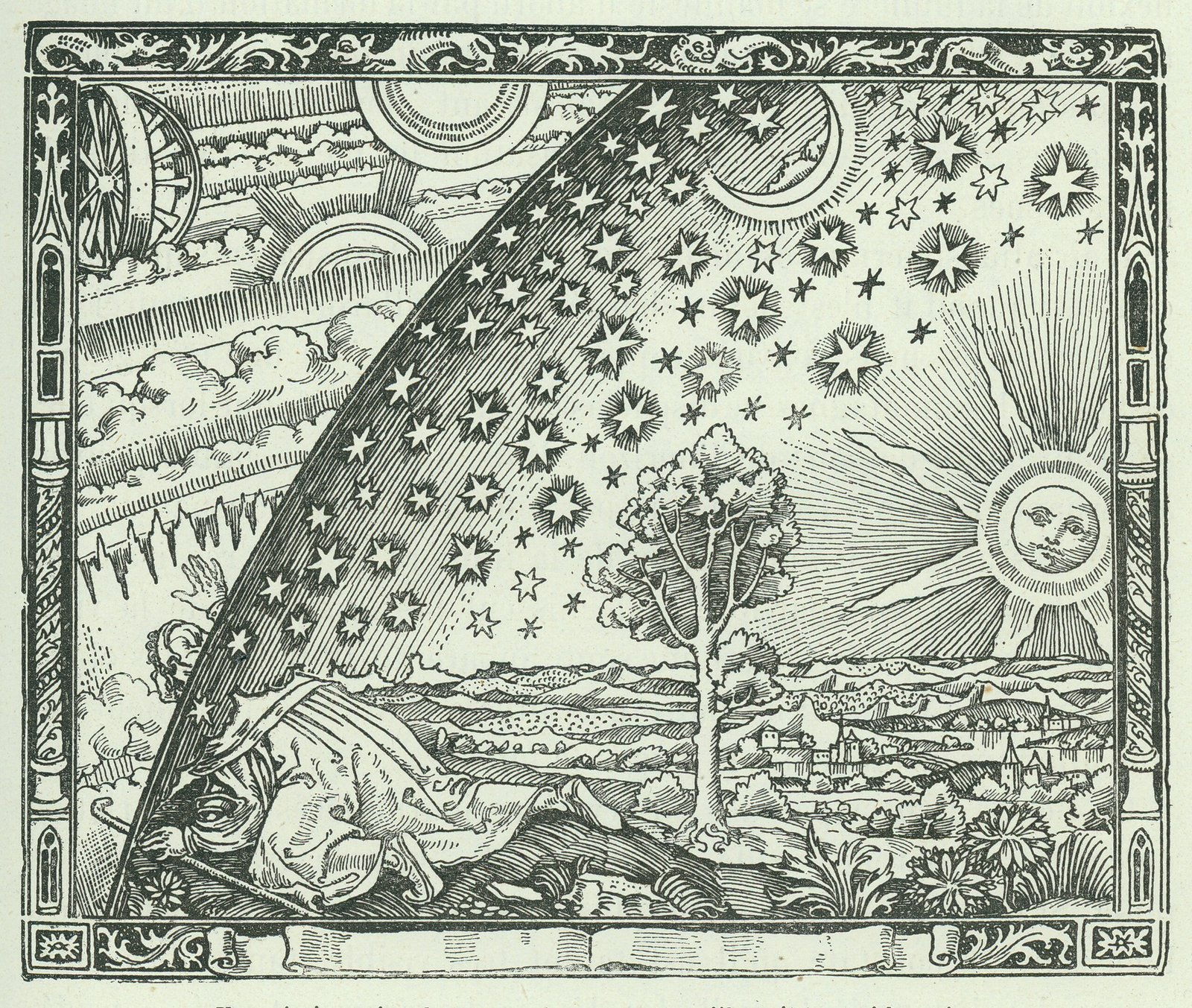
There is growing resistance to algorithms and how they choose the single view of the online world we get to see. Faced with that, users want to peek beyond the curtain of their own feeds, looking for a more random and unforeseen view of what the web has to offer.
Example: The ‘sorry wrong fyp’ (for you page) trend, where sellers on TikTok play with the idea that the algorithm is hiding content from you. Statistic: 62% of people want streaming platforms to recommend more unpopular content… even at the risk of not liking it. [Matt Klein, 2022]
HOW ARE BRANDS INTERPRETING THIS TREND?
In the past, personalization and simplicity used to be indicators of good search and discovery. Now, however, there is more value in brands that make search feel collaborative and surprising. Brands can bring users together in a shared act of discovery or use the spatial landscape of the metaverse to make online shoppers feel they are stumbling onto unexpected finds.
Learn from Spotify
Brands can turn discovery into a collaborative process to see a part of the Internet that would otherwise have stayed hidden. That is what Spotify did by letting people discover music collaboratively: its ‘jams’ let people look outside their own algorithmic bubble, taking them down a path of discovery guided by the taste of their music companion.
Netflix promotes tourism
Through its campaign “Wherever your next story takes you”, Netflix uses its films and series to promote the locations where they were shot, proving that stories make us travel and not only with our imagination. At the same time, it opens up the possibility, both on the platform and in users’ minds, of searching for content by the place in the world where it was produced.
SOME CHARACTERISTICS OF TEXTURED DISCOVERY
- Layers of interaction: Instead of revealing all the information at once, communication appears in layers. As the user moves through the experience, they discover new features or content, living a more dynamic and exciting experience.
- Surprise and satisfaction: By being carried by curiosity, the user’s sense of satisfaction grows when they find something unexpected or come across a new feature. That surprise forms a stronger emotional connection with the product or service.
- Personalization: The experience varies from person to person, revealing more content as more interest is shown. This creates a more relevant and personalized experience.
- Fluidity and continuity: Although there are layers being revealed, the experience feels fluid and coherent. The transition between what the user knows and what they are about to discover is smooth, with no abrupt interruptions.