Facebook reserves the right of publication
Violent content, glorification of terrorism, nudity: the network clarified what can be published and what cannot.
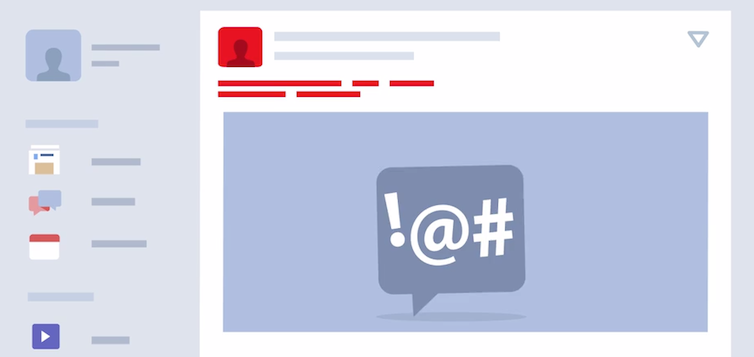
How are the limits drawn between what users are allowed to publish and the kind of content that should be forbidden? This is a question that Facebook has put on many people’s lips and is now trying to clarify through an update of its “community policies”.
From now on, any user who wants to publish violent content, content that incites violence or glorifies terrorism, will have to think twice; otherwise, Facebook will take the liberty of deleting that content and could even get in “contact with law enforcement”. That is what it specifies on its community standards page.
This policy is not new. However, Facebook decided to update it to give users greater clarity so that they understand what is allowed and what is not.
This issue arrives at a time when several social platforms are debating whether or not to exercise control over respect for freedom of expression, in relation to some events that occurred in the United States in which Facebook was forced to censor artistic images containing nudity. From now on it will only be allowed to publish images that reflect a breastfeeding situation, art or that are related to medicine.
A similar case is posed by the videos of executions of hostages by terrorist groups of the Islamic State (IS) that were shared on the social network. Twitter has also faced this problem and has received a large number of threats after blocking accounts that supported and sympathized with IS.
“These standards are conceived to create an environment where we feel motivated and encouraged to treat others with empathy and respect”, said Monica Bickert, head of editorial policy at Facebook.
In parallel, yesterday Facebook also released its Government Requests Report, which contains governments’ requests for content restriction and user data for the second half of 2014. Among the 10 countries that asked the social network for data about their users, the list is headed by: the United States, India and the United Kingdom. Worth noting, our country is in the last place on the list, being, along with Brazil, the only Latin American countries in the Top 10.
On the other hand, the number of requests from governments to block content that violates a country’s law increased by 11%, from 8,771 to 9,497 cases.
Facebook gives a thumbs down to meaningless Likes
In recent days several pages on the social network have experienced a drop in their number of followers. This is due to another policy implemented by the company with the aim of making “audience data even more meaningful”. This has led to removing those likes coming from inactive users.
This measure aims at the possibility of obtaining more reliable data and being able to measure the number of users who truly interact with a brand.
Source: Facebook and Social Times.