What do we see when we watch a video, a film or some kind of audiovisual content? Of course we see something, images, a story, etc. But above all we see a point of view, a perspective, a framing, a gaze. It is almost impossible to take in everything. But what happens when that becomes possible? What would happen if you really could see it all?
Well then, as easy and simple as saying that 360 video exists and is almost within everyone’s reach. Do not think we are looking at a novelty of the 21st century, but with the speed at which technology advances, we could state that every day there are more things we can do than things we cannot.
Here at Argency we like to innovate a little and that is why we are sharing our first 360 experience. For it we paid a visit to the restored Antigua Escuela Mitre, take a look!
In March of this year, YouTube welcomed support for 360-degree Videos. To watch them you need to do so from the Google Chrome browser, or with the YouTube for Android app. This gives the user the possibility of navigating around the screen or moving the mobile device around themselves, which lets us take in everything as if we were at the place where the action unfolds.
This not only provides a much more immersive experience for viewers, it also opens up new possibilities for content creators. To mention one example, the Canadian production company DimensionGate released the first episode of a horror series called 3am, being one of the first to create scripted fiction content for this medium.
“I have seen hundreds of 360º videos with subjects skydiving and skateboarding, but I am more interested in the narrative capabilities of this medium”, said Ian Tuason, producer at DimensionGate Inc. “It does not matter how cool the demo is or how impressive the technology is, if the content does not tell a story then the experience is meaningless”.
 This company promises to release more videos with editing, camera movements and directional audio over the rest of the year. As well as the possibility of it being available for iPhone and Oculus Rift.
The supply of devices for filming in 360 is taking off. And although the technology itself and the quality of the cameras still have to improve, availability is fairly wide.
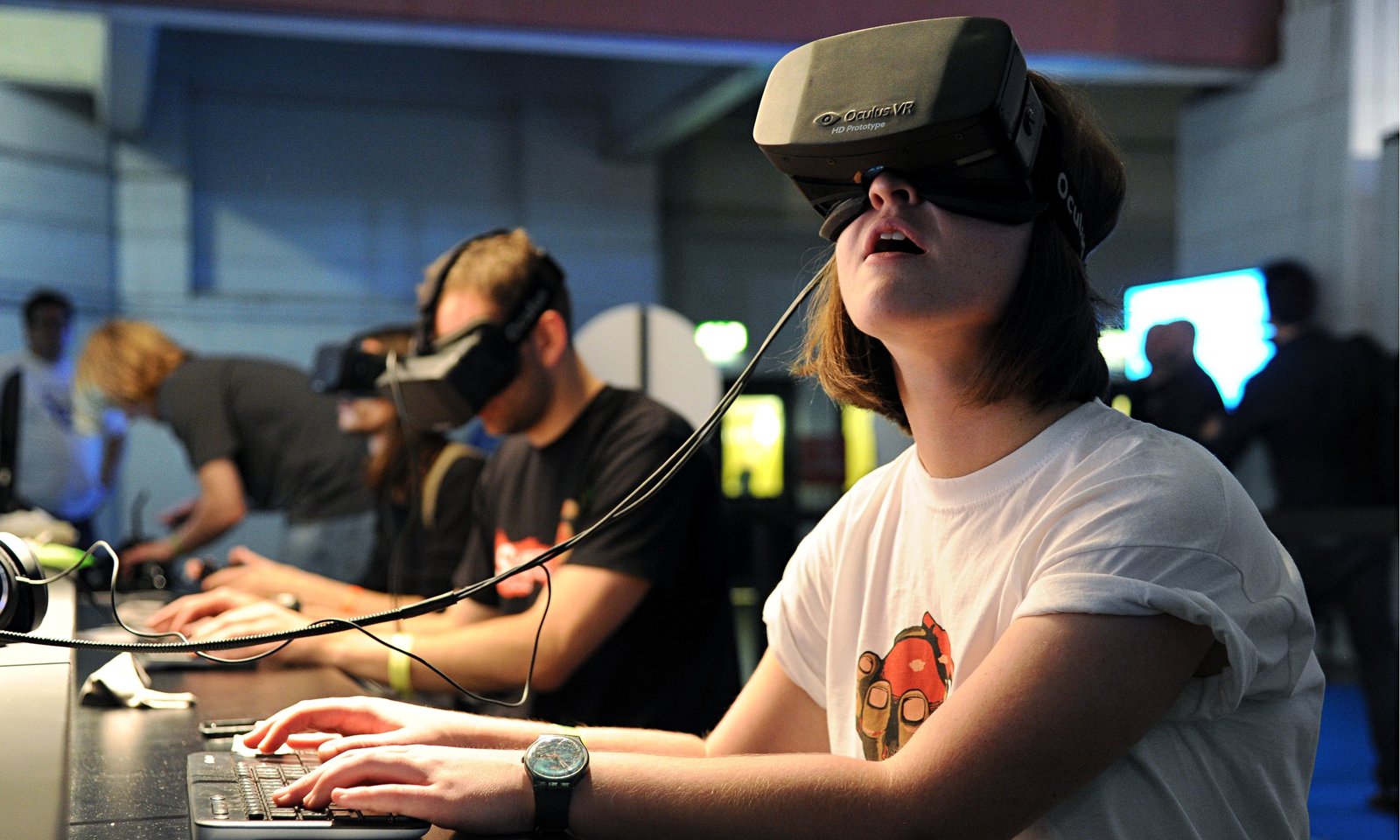
This is also complemented by the virtual reality developments that little by little are becoming available on the market. We already mentioned the Oculus Rift, a virtual reality device that was acquired by Facebook last year. This week the company announced that the first devices for users will be available at the beginning of 2016.
On the other hand, there are also devices like the Samsung Gear VR, developed by the Korean company together with Oculus VR and which, unlike the Oculus Rift, does not include a screen but is designed for placing the phone in a casing. Similar is the Google Cardboard, a more homemade option that allows you to place a Smartphone in its cardboard structure and thus experience virtual reality.
This new technology, together with this novel format, is capturing the attention of filmmakers and producers in cinema and television. Recently the Tribeca Film Festival, held every year in New York City, included exhibitions of this new content.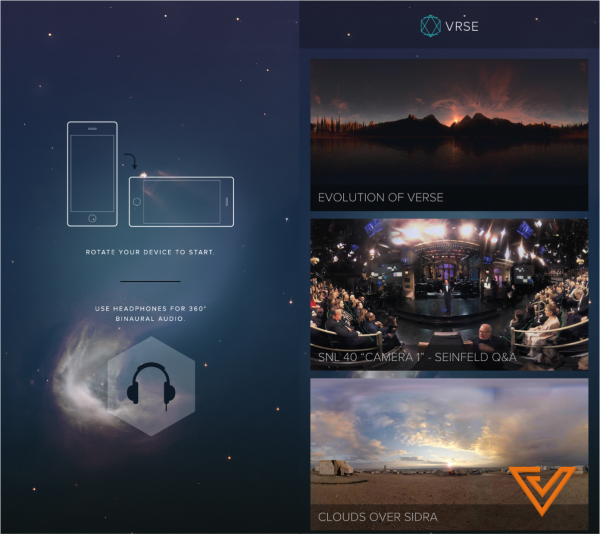
Nor are the big studios and filmmakers left out, wanting to hit the mark with some VR hit that lets them reach a more massive audience.
Chris Milk, one of the champions of this new format, also talks about VR as a new way of telling stories. “The language and the narrative form need to evolve into something new”, said Milk.
A few months ago, the renowned American show Saturday Night Live celebrated its 40th anniversary with a Special filmed in 360, allowing users to play with the direction of the camera, seeing beyond the main stage.
A few days ago it was announced that the program Lip Sync Battle, a live show in which celebrities challenge each other to do the best lip sync, will also be filmed in 360, which will let us take part in all the action inside the studio.
This is without doubt fairly virgin territory that little by little is filling up with new developments. A whole world of possibilities is opening up for content creators, who have more and more technology within reach and at a relatively low cost.