Keys to excellent copywriting
Copywriters are the backbone of an agency. Two of ours explain how they work.

We know that writing goes back millennia. Once the oral tradition of peoples came to be immortalized on the canvas, the history of humanity began an uninterrupted narration. Writing has been our species’ vehicle for its understanding and its joint improvement; the way of adding, word by word, ever more advanced notions, generating an auspicious growth that has made this world an ever kinder place than it was.
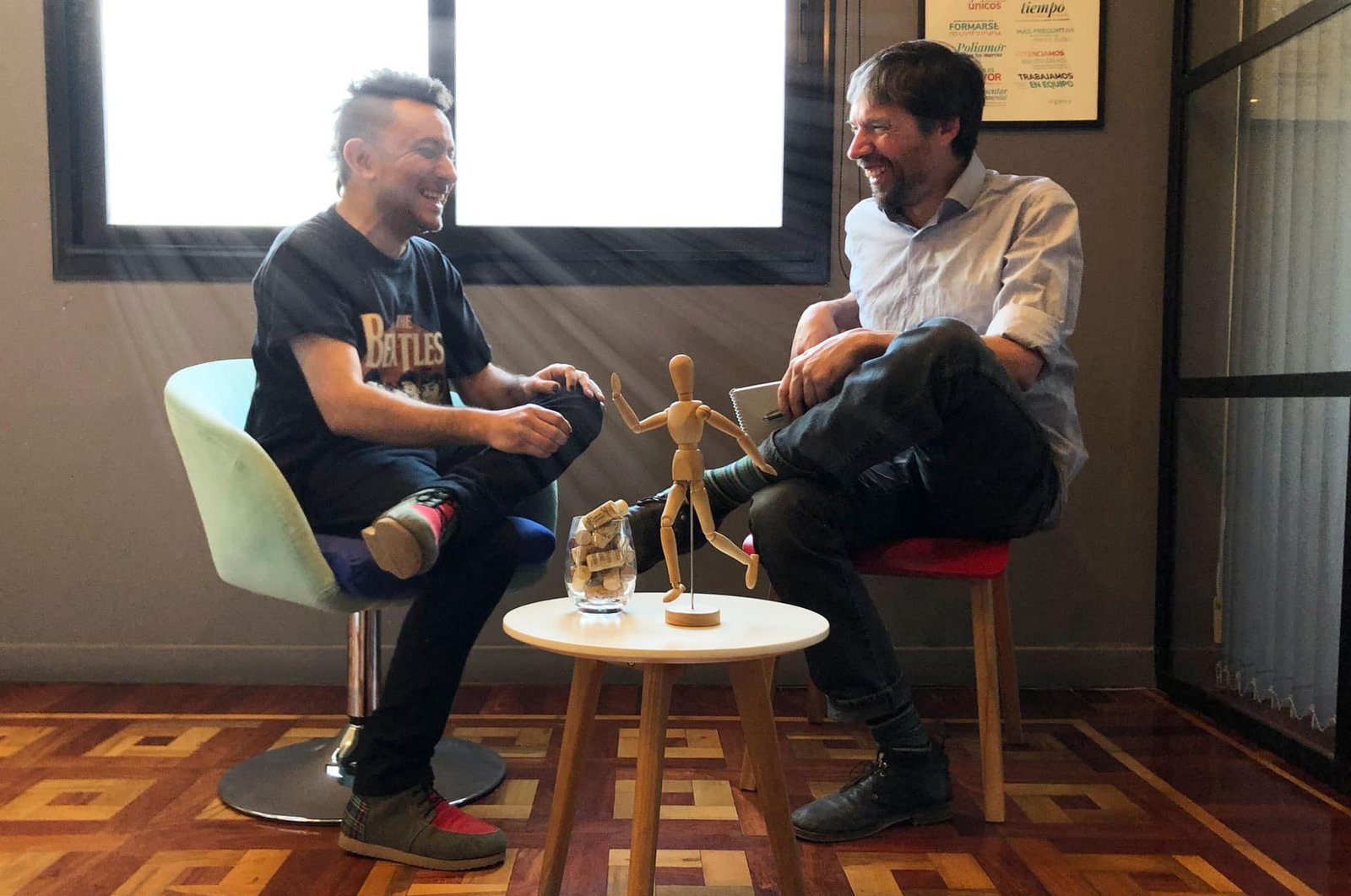
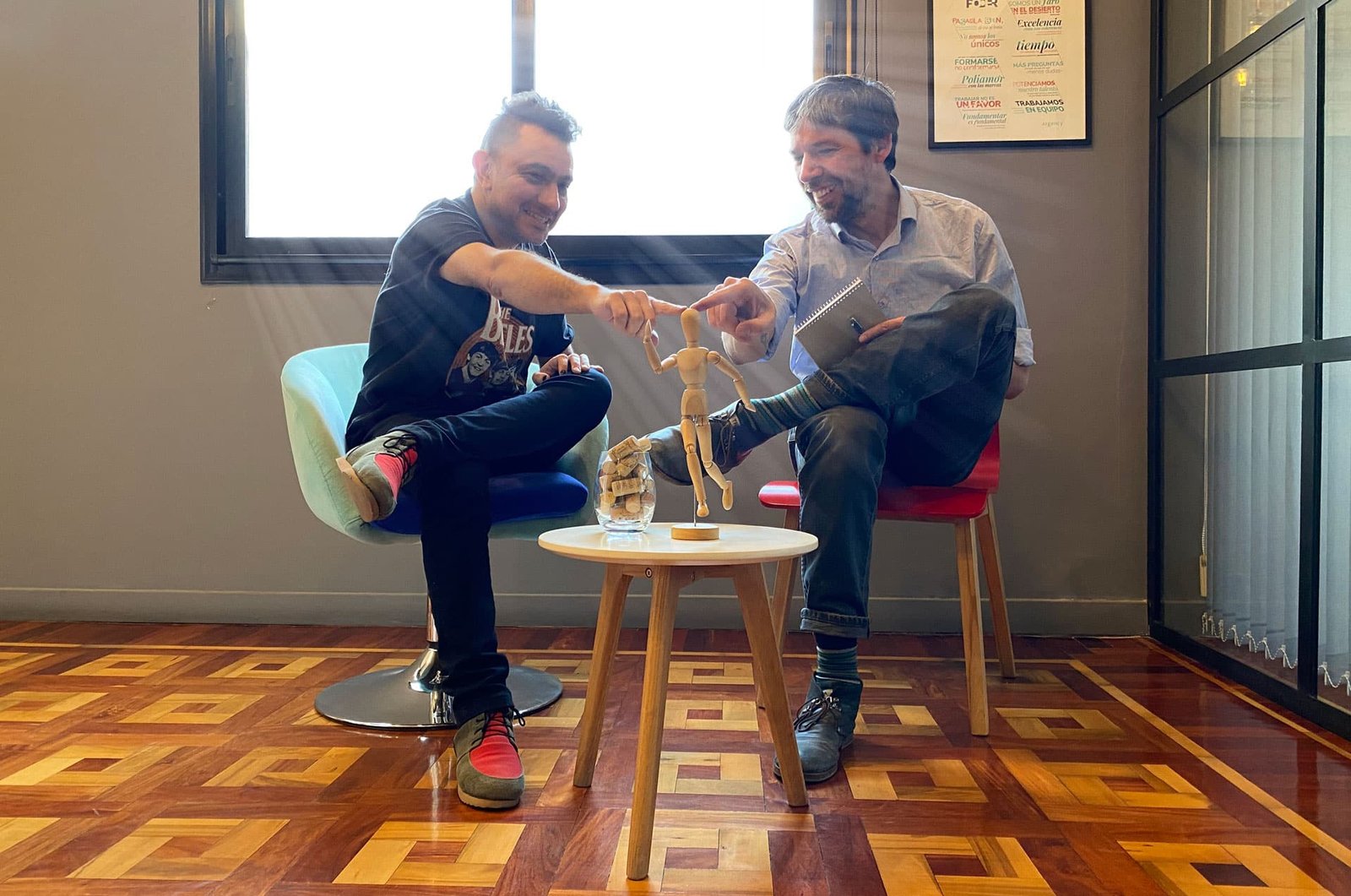
For most of society, the value writing has in the world of advertising is rarely appreciated fairly. Creative copywriters are the ones in charge of shaping the character of each piece of work; they are, as could well be said, the backbone of an agency. That is why at Argency we have decided to put together a questionnaire for our most experienced copywriters: Fernando and Nicolás. The goal is to understand every corner of the copywriter’s work and note down the advice, to rescue those little gems that can make us fully understand what it is about to be a copywriter or, why not, stimulate, improve and beautify our work in case we aspire to be copywriters.
On to the questionnaire!
—What do you think cannot be missing from good copywriting?
F: Clarity, simplicity and knowing from the start what you want to say. A good structure always helps to organize ideas, a kind of dynamic skeleton that you can then fill in.
Still, you also have to bear in mind that every point comes down to a solid base of raw material, that is: lexicon. The more lexicon you handle the clearer you will be when writing. How is it achieved? It is simple: by reading and writing.
I would say, in one word, that copywriting is not good if it does not manage to persuade.
N: Understanding copywriting as advertising copywriting, what is indispensable is knowledge of the brand, discovering its personal tone, how it speaks. Is it informal?, is it expert?, is it friendly, technical, elegant?, and so on… Ultimately, I consider it is about soaking up as much as possible of the spirit of the different projects in order to feel comfortable expressing the voice they propose, getting passionate about the small details each story offers.
—What serves as inspiration when you are putting together a campaign?
F: I believe there is no greater source of creativity than life itself. But this demands floating attention, a great power of observation and keeping a critical stance toward naturalized reality. Sometimes stereotyped naturalization works, other times what works is destroying and rebuilding that reality.
Also, what helps notably is a decent cultural backing: staying informed and not stopping absorbing knowledge and trends.
N: A little while ago, I read a phrase by Rick Rubin: «Sometimes the content comes first, other times it is the structure that leads». I keep in mind that it is a personal process that each person lives in their own way. There have been cases in which the communication idea appears clear from the very first moment and everything is created around it almost spontaneously. In others, there is very intense work in generating ideas, and the decision on media and resources is left to a final stage.
Either way, I find it delightful to be able to have the ability to start from any point that makes up a campaign and generate the content from there.
—What do you find fundamental when putting together a caption?
F: Being clear and precise; not being boring. But it has nothing to do with length: let the caption last as long as the caption calls for. It is relative from one post to another.
This process demands enough knowledge of each brand and enough versatility to embody one project and immediately be able to embody another. It is like a game in which you can give life to different personalities and you yourself can play at having more than one life.
And by incorporating real bets in this game, the stakes go up, adding an extra layer of excitement and anticipation to the experience.
N: Captions are a very special category in copywriting. I would even tell you that something almost therapeutic happens throughout their creation. Since you need to generate so much content at the speed the timing of social media demands, you enter a kind of trance in which expressing the brand’s tone is crucial. We are like a medium through which the spirit of each project flows. A fantastic journey.
—A phrase or mantra that expresses what defines your craft.
F: «Write what you want, as you must. That is happiness».
The copywriter must look for the words, commas, full stops, rhythms and styles that communicate perfectly. When you arrive at a good piece of writing you realize it because the emotion is similar to an achievement, it is not simulated or faked: it is felt, it overwhelms you, it surpasses you, it exceeds you and it emanates. Self-recognition is the first step to moving forward, it is valid and completely deserved. If you do not recognize yourself, if you do not identify with what you write, nobody else will recognize you or identify you.
Ultimately, you are being happy being you. That is why «happiness» and «freedom» resemble each other, even without being synonyms. Although perhaps they will be in a future dictionary of a platonic RAE.
N: «It is an idea».
It is a very simple phrase that over time I discovered was attributed to me at the agency. It is an expression that conveys a kind of disclaimer, like someone who has just thrown something out to see what happens. I think it says a lot about the exploration and experimentation we allow ourselves with what is proposed. We throw ideas into the world and we see what happens.
What happens afterwards… you are going to love it!