

If you are a man, you will be that superhero who flies and teaches the woman how to cook better and how to use the degreaser. Then you will go back to your super-missions: friends, football and beer. If you are a woman, you will be the one who knows when to keep quiet so her man does not stop enjoying the TV or the blonde that really matters. Because that is what he uses that deodorant for, after all.
Now then, if you are a man or a woman, but you do not fit into any of these stereotypes, you simply do not exist. To be is to be seen, and there is no need to go back to memorable intellectuals or playwrights to assert this theory: a couple of contemporary advertising creatives will do. Even the ads that tried to show us as equals, and that were popularly called “brilliant”, equate rights like voting with that of “surrendering” on Fridays, remember that it was MAN who reached the Moon and that, if someone invades relationships, it is HIS MOTHER. So peace is agreed: he hands over credit cards for HER to destroy, and she agrees to wash HIS underwear. EQUALITY, DAMMIT.
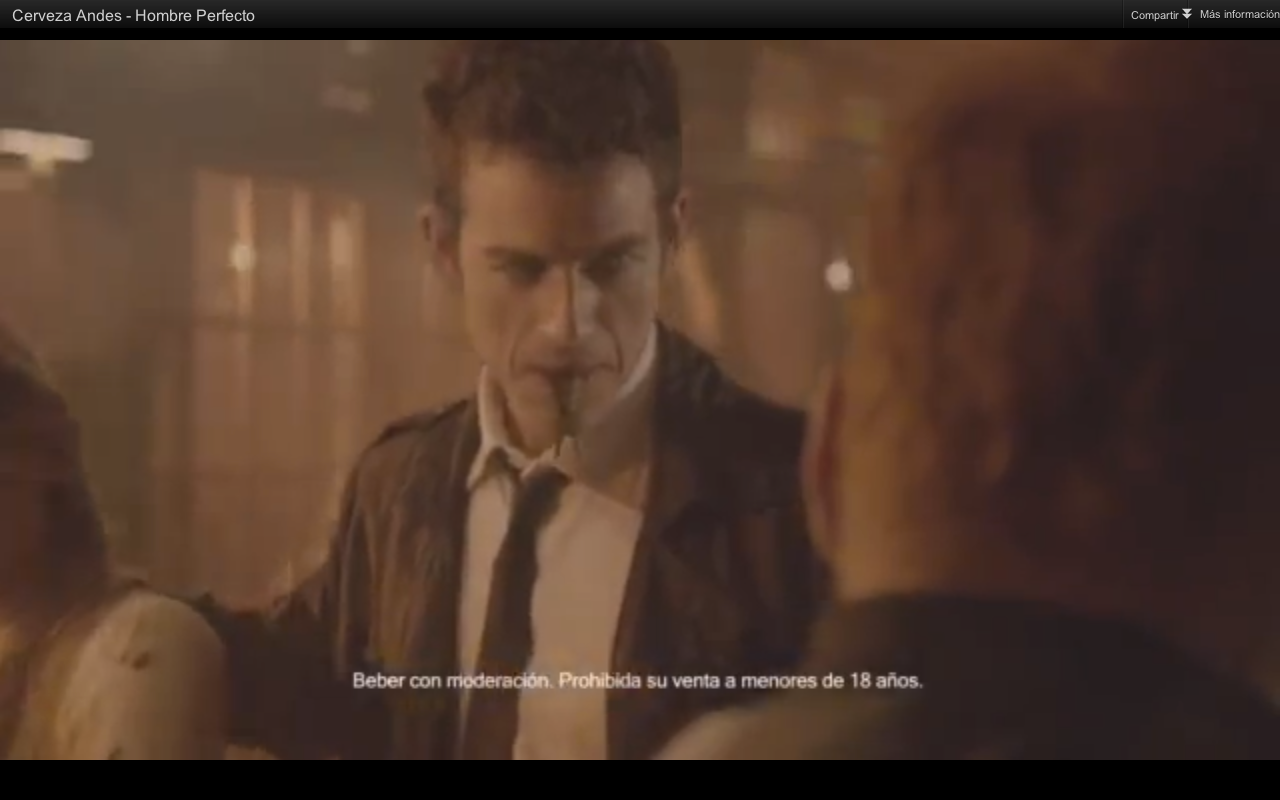 But that fight, less and less resolved in the face of such assimilated stereotypes, goes beyond gender violence when it labels (advertising always labels) atypical men as freaks, mutants: aliens, and of the bad kind. The central issue stops being “male or female”, and becomes much more intense: humans or subhumans. Racial violence.
That is how we behave, or that is how they see us as consumers. Mum goes shopping, but does not drink beer. Dad knows about barbecues and mum about salads. That is how we are as creatives. How many agencies trust Creative Direction to women and how many of them can include in their ideas concepts opposed to the ever-sacred idiosyncrasy? The subject seems to be a worldwide trend, and here we promote models less and less alien to our culture, a strange fashion as old as advertising. And despite the fact that, for some years now, the opinion-forming discourse has been trying to change, through media and activism, it is advertising that most influences our conception of the world. So perhaps it is time to start looking at what we say when we say. It would be much more positive to propose the change from the idea, instead of betting on censorship. But of course, we are advertisers and the premise is to sell, not to be more creative or to look for new paths away from the aggressor stereotype. Because if change does not sell, it is also because it is in our genes to degrade ourselves before the incomparable pleasure of being, belonging and transcending. And if it is not in our genes, it is undoubtedly naturalized. Just as history has also got us used to not knowing how to enjoy freedom. So censorship and repression turn out to be just as natural. And, afterwards yes, we will tear our clothes because our messages are interfered with. Meanwhile, let us use the messages to tear our humanity. Within which is our profession.
Did you like the piece? Share it! / Would you add something? Comment on it 😀